
How Texting Evidence Is Used in Accident Cases
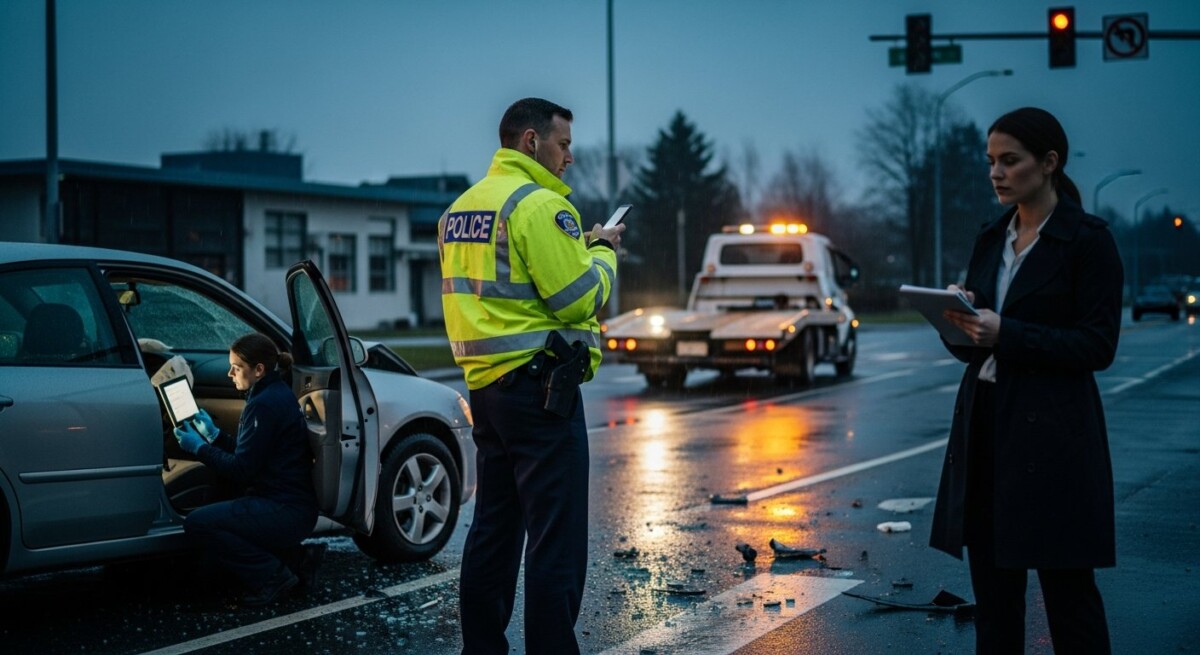
When a car accident happens, the first thought is usually about injuries and insurance. But soon after, questions about fault arise, and in many cases, the answer lies in a text message. Texting evidence has become a cornerstone of accident investigations, often revealing whether a driver was distracted at the critical moment. For victims, understanding how texting evidence is used in accident cases can be the key to proving liability and securing fair compensation. This evidence can turn a he-said-she-said dispute into a clear, data-backed picture of what really happened.
Text messages are more than just words on a screen. They carry timestamps, phone numbers, and sometimes location data. When an attorney examines this evidence, they can reconstruct the driver’s actions in the minutes before the crash. Did they send a text at 3:14 PM, just three seconds before the impact? Were they reading a message while crossing an intersection? This kind of proof is powerful, and it is why legal teams across the country rely on it to build strong cases.
If you or a loved one has been hurt in a crash, you might be wondering how to gather this evidence or whether it can help your claim. The good news is that you do not have to figure it out alone. Legal professionals know exactly how to obtain and use texting data to your advantage. In this guide, we will break down the process, the legal rules, and the practical steps you can take to protect your rights.
The Legal Foundation of Texting Evidence
Texting evidence is a form of electronic discovery, commonly called e-discovery. In civil lawsuits, both sides have the right to request relevant documents and data, including text messages. However, this is not a free-for-all. The law requires that the evidence be relevant to the case and that it be obtained through proper legal channels. For example, an attorney may issue a subpoena to a phone carrier to obtain records, or they may ask the opposing party to provide their phone for inspection.
One of the first hurdles is proving that the text messages are authentic. A simple screenshot is not always enough. The court may require a certified record from the carrier, or an expert may need to verify that the messages were not altered. This is where legal expertise becomes invaluable. An experienced lawyer will know how to lay the proper foundation so that the evidence is admissible in court.
Additionally, there are privacy laws to consider. The Federal Stored Communications Act (SCA) and various state laws protect the content of electronic communications. Generally, you cannot just access someone else’s phone without permission. But when a lawsuit is filed, the discovery process allows for the exchange of relevant information, and a judge can compel production if the request is reasonable. Understanding these rules is essential, and it is one reason why accident victims should seek professional guidance early.
How Attorneys Obtain Texting Evidence
Obtaining texting evidence requires a strategic approach. It is not as simple as asking for a phone. Here are the common methods that attorneys use to secure this critical data:
- Subpoenas to wireless carriers: Carriers like Verizon, AT&T, and T-Mobile keep logs of calls and texts, including dates, times, and phone numbers. A subpoena can compel them to produce these records.
- Preservation letters: Before a lawsuit is filed, an attorney may send a preservation letter to the opposing party, instructing them not to delete any text messages or other electronic data.
- Forensic examination: If a phone is available, a digital forensics expert can extract deleted messages, photos, and even GPS data. This is often done with a court order or with the owner’s consent.
- Discovery requests: During the litigation process, formal requests for production can be sent to the other side, asking them to provide any relevant text messages.
Each method has its own legal requirements and deadlines. For example, a subpoena must be issued within a certain timeframe, and the recipient must be given proper notice. Missing a step can result in the evidence being excluded. That is why it is critical to have a lawyer who knows the ins and outs of e-discovery.
Once the evidence is obtained, it must be reviewed and organized. The attorney will look for patterns, such as a series of texts sent right before the crash or a message that shows the driver was reading directions. This analysis is then used to build a narrative for the insurance company or the jury.
The Role of Texting Evidence in Proving Fault
In most accident cases, the central question is who was at fault. Texting evidence can directly answer that question. For instance, if a driver was texting at the time of the collision, they were likely distracted, and that distraction is a form of negligence. Under the law, a driver has a duty to exercise reasonable care, and using a phone while driving is a clear breach of that duty in many states.
Texting evidence can also help establish the timeline of events. A text sent at 3:14 PM might show that the driver was looking down at the exact moment they ran a red light. This kind of proof is often enough to convince an insurance adjuster or a jury. In some cases, the evidence may even show that the driver was texting while driving for a prolonged period, which can lead to claims of gross negligence and higher damages.
However, texting evidence is not always one-sided. The other party might claim that their phone was on a hands-free device or that they were not the one who sent the message. This is where a thorough investigation is needed. A forensic expert can determine if the text was sent via voice-to-text or if the phone was in use at the time of the crash. The goal is to present a clear, compelling story to the judge or jury.
For a deeper look at how phone data fits into the bigger picture of accident reconstruction, check out our guide on how phone data is used in accident cases. It explains the various types of data, from GPS to accelerometer logs, that can corroborate your claim.
Challenges and Counterarguments in Texting Evidence Cases
While texting evidence can be powerful, it is not without challenges. The opposing party may try to suppress the evidence or argue that it is not conclusive. They might claim that the driver was not actually reading the text, or that the timing does not align perfectly with the crash. These counterarguments require careful preparation.
One common challenge is the issue of spoliation, which is the destruction of evidence. If the other driver deleted their texts before they could be preserved, the court may impose sanctions, such as a presumption that the deleted evidence was unfavorable to them. However, proving spoliation requires showing that the party had a duty to preserve the evidence and acted intentionally or negligently.
Another challenge is the reliability of the data. Text messages can be spoofed or altered, though this is rare. To counter this, attorneys often work with digital forensic experts who can verify the integrity of the data. They can also look at metadata, such as the phone’s unique identifier, to confirm that the messages came from the driver’s device.
Moreover, there is the issue of admissibility under the hearsay rules. Text messages are considered out-of-court statements, but they often fall under exceptions, such as admissions by a party-opponent. If the text was sent by the defendant, it is generally admissible because it is an admission against their interest. Your attorney will know how to argue these exceptions effectively.
The Impact on Insurance Claims and Settlements
Texting evidence does not just matter in court; it can also significantly affect the outcome of an insurance claim. When you file a claim, the insurance company will conduct its own investigation. If you can provide texting evidence that shows the other driver was at fault, the insurer is more likely to offer a fair settlement. On the other hand, if the evidence suggests that you were texting, it could be used against you, reducing your compensation or even barring recovery.
In many states, the law prohibits texting while driving, and this can be used as evidence of negligence per se. This means that if the driver was violating a statute, they are presumed to be negligent. This legal doctrine can simplify your case, as you do not need to prove that the texting caused the accident; the violation of the law itself is enough to establish fault.
Given the stakes, it is essential to preserve any evidence that might support your claim. This includes your own phone records, which can show that you were not using your phone at the time of the crash. You should also take screenshots of any social media posts or messages that might be relevant, though you should never delete anything that could be seen as evidence. Instead, let your attorney handle the preservation process to avoid any accusations of spoliation.
If you are dealing with an insurance company that is downplaying the strength of your evidence, legal representation can make a difference. An attorney can negotiate on your behalf and use the texting evidence to pressure the insurer into a better offer. As noted in our article on phone data in accident claims, a strong evidentiary package can be your greatest ally.
Practical Steps for Accident Victims
If you have been involved in an accident where texting may have played a role, here are some practical steps you should take:
- Do not delete anything: Preserve your own phone data, including texts, call logs, and location history. Even if you think it might be damaging, deletion can lead to legal consequences.
- Notify the other driver: If you have the other party’s contact information, consider sending a polite message asking them to preserve their phone data. This is not a legal demand, but it can be helpful later.
- Take photos of the scene: Use your phone to capture the accident scene, including any visible phone use by the other driver. These photos can be time-stamped and used as evidence.
- Report to the police: Make sure the police report includes any statements about phone use. If you noticed the other driver texting, tell the officer at the scene.
- Contact an attorney: Once you have secured your evidence, speak with a lawyer who can guide you through the legal process and handle the technical aspects of obtaining texting records.
These steps are not a substitute for legal advice, but they can help you avoid common mistakes. The most important thing is to act quickly, as evidence can be lost or overwritten.
For a more comprehensive look at how phone data can be leveraged in your case, including the role of expert witnesses, read our detailed analysis on how phone data is used in accident cases. It provides insights that can help you understand the full scope of what is possible.
Frequently Asked Questions
Can I get the other driver’s text messages after an accident?
Yes, but not without legal assistance. You cannot directly access the other driver’s phone. However, through the discovery process in a lawsuit, your attorney can subpoena the phone carrier or file a motion to compel the driver to produce their phone. This is a standard part of litigation, and a judge can enforce the request if it is relevant to the case.
What if the other driver claims they were not texting?
That claim can be challenged with forensic evidence. Even if the driver deleted the texts, a forensic expert can often recover them. Additionally, the phone carrier’s records will show if a text was sent or received at the time of the crash. Your attorney can use this evidence to counter the driver’s denial.
Will texting evidence guarantee that I win my case?
No evidence guarantees a win, but texting evidence can significantly strengthen your case. It can establish negligence, create a presumption of fault, and provide a clear timeline. However, the other side may present their own evidence or expert testimony. An experienced lawyer will know how to present the evidence effectively to maximize your chances.
Is it worth hiring a lawyer to obtain texting evidence?
Absolutely. The process of obtaining texting evidence involves legal procedures that are easy to get wrong. A lawyer can issue subpoenas, file motions, and work with experts to ensure the evidence is admissible. Without proper legal guidance, you might miss deadlines or fail to preserve evidence, which could harm your case. For a free case evaluation, call us at (833) 227-7919.
Why Legal Representation Can Make a Difference
Texting evidence is a double-edged sword. It can be a powerful tool for proving fault, but it requires careful handling. From the initial preservation of data to the final presentation in court, every step must be done correctly. A skilled attorney can navigate the complex rules of evidence and discovery, ensuring that your side of the story is heard.
At LawyerOffer, we connect accident victims with experienced attorneys who understand the intricacies of digital evidence. Our network includes lawyers who have successfully used texting evidence to secure millions of dollars in settlements and verdicts. If you have been in an accident and suspect that texting was a factor, do not wait. The evidence may be disappearing right now.
Take the first step by reaching out to us. We can help you find a lawyer who will fight for your rights and use every piece of evidence to build a strong case. Remember, the law is on your side when you have the right representation.
For more information on how phone data can be used to support your claim, see our comprehensive guide on phone data in accident cases. It covers everything from the types of data available to the legal strategies that work.

About Winston Greer
Recent Posts
How Speed Is Proven After a Crash: Key Evidence
Learn how speeding is proven after an accident using EDR data, skid marks, and video. Call (833) 227-7919 for a free attorney referral.
How Texting Evidence Is Used in Accident Cases
Discover how texting evidence is used in accident cases to prove fault and win claims. Call (833) 227-7919 for a free case review.
How Texting Evidence Is Used in Accident Cases
Learn how texting evidence is used in accident cases and how it can prove fault or challenge claims. Call (833) 227-7919 for a free attorney referral.