
Who Is Liable in a Pedestrian Accident? Key Factors
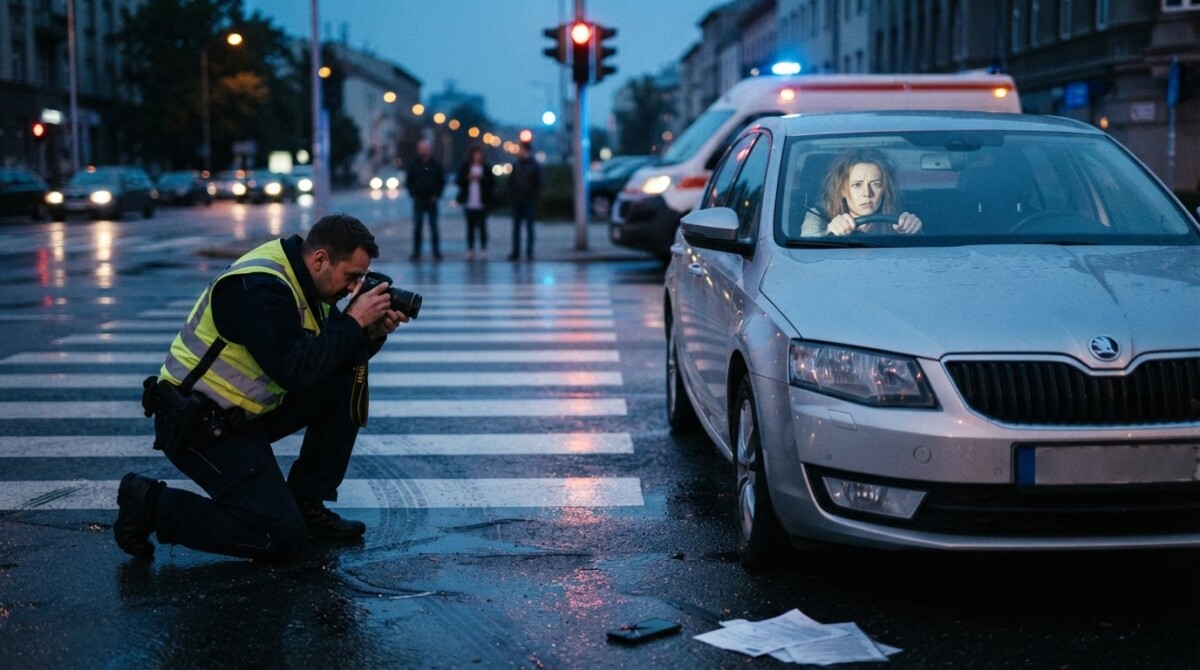
When a car strikes a person walking, the aftermath can be overwhelming. Medical bills pile up quickly, recovery takes time, and the question of who pays for the damage becomes urgent. Unlike collisions between two vehicles, where fault often seems clearer, pedestrian accidents involve a complex set of rules, road conditions, and human behaviors. Understanding how pedestrian accident liability is determined can make the difference between a fair settlement and a painful financial loss. This guide breaks down the legal framework that decides fault, so you know what to expect if you or a loved one faces this situation.
Liability in these cases does not automatically rest on the driver. While motorists carry a high duty of care, pedestrians also have legal obligations. The outcome depends on evidence, state laws, and the specific facts of the crash. Insurance adjusters and courts examine every detail, from weather conditions to cell phone records. By learning what they look for, you can protect your rights and build a stronger claim.
The Legal Principle of Negligence
Most pedestrian accident claims hinge on the concept of negligence. An individual or company is negligent when they fail to act with the level of care that a reasonable person would use in the same situation. To win a claim, you must prove four elements: duty, breach, causation, and damages. The driver has a duty to watch for pedestrians, obey traffic signals, and drive at a safe speed. A breach occurs when the driver texts, runs a red light, or ignores a crosswalk. That breach must directly cause the pedestrian’s injuries, which then result in medical expenses, lost wages, or pain and suffering.
However, liability is rarely a clean split. Each state uses a system of comparative fault or contributory negligence. In pure comparative fault states, like California or New York, a pedestrian can recover damages even if they are 99% at fault, though the award is reduced by their percentage of fault. In modified comparative states, such as Texas or Florida, recovery is barred if the pedestrian is more than 50% or 51% at fault. A few states, including Virginia and Maryland, still use contributory negligence, which blocks any recovery if the pedestrian is even 1% at fault. This is why understanding local law is critical before you speak to an insurance company.
Common Causes of Pedestrian Accidents
Fault is often determined by identifying which party violated a traffic law or acted recklessly. For drivers, common violations include speeding, failing to yield at crosswalks, distracted driving, and driving under the influence. For pedestrians, jaywalking, ignoring walk signals, or stepping into traffic from between parked cars can shift blame. In our guide on how commercial driver liability is determined, we explain how professional drivers face even stricter standards, which can affect claims involving delivery trucks or buses.
Weather and lighting also play a role. A driver who hits a pedestrian in a poorly lit area at night may argue the pedestrian was hard to see. Conversely, a pedestrian who wears dark clothing and darts across a highway may share fault. Yet, even in these scenarios, the driver must show they were exercising reasonable care. Hitting a pedestrian almost always suggests some level of driver inattention, as a fully alert motorist can typically brake or swerve to avoid a collision.
Evidence That Determines Fault
The most persuasive evidence in a pedestrian case is often the data collected from the vehicle itself. Modern cars are equipped with event data recorders (EDRs), commonly known as black boxes. These devices capture speed, brake application, steering angle, and engine throttle in the seconds before impact. Police reports, witness statements, and traffic camera footage provide additional context. As detailed in our analysis of how black box data affects accident liability, this digital evidence can prove or disprove a driver’s claim that the pedestrian “came out of nowhere.”
Medical records also serve a dual purpose. They document the severity of injuries, which calculates damages, and they establish a timeline. If the pedestrian had a pre-existing condition, the defense may argue that their current pain is unrelated to the crash. To counter this, legal teams use biomechanical experts who analyze the force of impact and compare it to the injuries sustained. Photographs of the scene, skid marks, and vehicle damage help reconstruct the accident sequence.
Here are the key pieces of evidence that attorneys and insurers prioritize:
- Police accident reports, which include the officer’s opinion on fault and any citations issued.
- Traffic camera or dashcam footage that shows the exact moment of impact.
- Phone records to check for distracted driving or walking.
- Maintenance logs for traffic signals and crosswalk markings.
- Witness testimony from nearby drivers, shopkeepers, or residents.
Collecting this evidence quickly is essential because surveillance footage is often deleted after 30 to 60 days. A skilled attorney will issue preservation letters to businesses and municipal agencies to secure video before it disappears. Eyewitness memories also fade, so statements should be recorded as soon as possible after the incident.
Duty of Care for Drivers and Pedestrians
Drivers owe a legal duty to maintain a proper lookout, control their vehicle, and yield to pedestrians in crosswalks. In most states, pedestrians have the right of way in marked crosswalks, and drivers must stop, not just slow down. Yet, pedestrians also have a duty to exercise reasonable care for their own safety. That means using sidewalks when available, crossing at intersections, and obeying pedestrian control signals. When a pedestrian violates these rules, they may be found contributorily negligent.
There is a special category for child pedestrians. Children under a certain age, often 6 or 7, are presumed incapable of negligence. Drivers are expected to anticipate that children may run into the street without warning. This heightened standard applies near schools, playgrounds, and residential areas. Therefore, a driver who strikes a child in a school zone is almost always held fully liable, regardless of the child’s sudden movement. Similarly, drivers have a duty to yield to pedestrians with disabilities, who may move more slowly or unpredictably.
The Role of Comparative Fault in Settlements
Once fault is assigned, the next step is calculating the settlement value. Insurance adjusters use a formula that multiplies economic damages (medical bills, lost income) by a factor of 1.5 to 5, depending on the severity of pain and suffering. This figure is then reduced by the pedestrian’s percentage of fault. For example, if your damages total $100,000 and you are found 20% at fault, your recovery drops to $80,000. This is why hiring an attorney who can aggressively negotiate the fault percentage is vital.
Insurance companies often use the pedestrian’s own statements against them. If you tell an adjuster, “I didn’t see the car coming,” they may interpret that as an admission of distraction. Instead, you should limit communication with the insurer and let your lawyer handle negotiations. A lawyer can also counter the insurance company’s claims by pointing to driver violations, dangerous road design, or vehicle defects. In some cases, a third party, such as a city or a trucking company, may share liability. This is particularly relevant when a municipal agency failed to install proper lighting or a commercial driver was operating beyond their allowed hours. For more on this, see our piece on how fatigue affects accident liability claims.
When a Pedestrian Is Hit in a Crosswalk
Crosswalks are supposed to be safe havens, but they are also common sites of accidents. If you are struck while legally crossing with the signal, liability usually falls on the driver. The law presumes the driver failed to yield. However, the defense may try to argue that the pedestrian was crossing against the light or was obscured by a stopped vehicle. To counter this, you need evidence from cameras or witnesses that confirms you had the right of way.
Pedestrian safety is also a design issue. Many intersections have poor sight lines due to parked cars or overgrown vegetation. In these cases, the city or property owner may be partially liable for creating a hazardous condition. A lawyer can investigate whether the intersection had a history of accidents, which would put the municipality on notice of the danger. If a traffic signal was malfunctioning, the city’s maintenance records will show when they were last inspected and whether they ignored repair requests.
Hit-and-Run Accidents and Uninsured Drivers
Hit-and-run accidents present a unique challenge. If the driver flees the scene, you may not know who to sue. Fortunately, uninsured motorist (UM) coverage on your own auto policy can step in. This coverage is designed to pay for injuries caused by an unknown driver or a driver without insurance. It also covers pedestrian accidents, as long as you have auto insurance on a vehicle you own or live with. If you do not own a car, you may still be covered under a family member’s policy.
Filing a UM claim requires prompt reporting to the police and your insurance company. You must also prove that the accident occurred and that the other driver was at fault. Without a license plate, this can be difficult, but physical evidence like broken headlight glass or a side mirror left at the scene can help. Another option is to pursue a claim through the state’s crime victims compensation fund, which provides financial assistance to victims of violent crimes, including hit-and-runs. An attorney can navigate these options and ensure you receive the maximum available benefits.
How a Lawyer Builds Your Case
Navigating a pedestrian injury claim alone is risky. Insurance adjusters are trained to minimize payouts, and they will look for any reason to deny liability. A lawyer levels the playing field. They conduct a thorough investigation, consult with accident reconstruction experts, and calculate the full extent of your damages, including future medical care and loss of earning capacity. They also handle all communication with the insurance company, preventing you from making damaging statements.
In our detailed guide on what a pedestrian accident lawyer does to win your case, we highlight how attorneys use settlement demand packages, mediation, and trial preparation to pressure insurers. Most cases settle out of court, but having a lawyer signals that you are prepared to litigate if necessary. This leverage often results in higher settlement offers. Furthermore, a lawyer works on a contingency fee basis, meaning they only get paid if you win. This gives you access to top-tier representation without any upfront costs.
Frequently Asked Questions
What if the pedestrian was jaywalking?
Jaywalking does not automatically bar recovery. It makes the pedestrian partially at fault, but the driver may still be liable if they had time to react and failed to do so. The final outcome depends on the state’s comparative fault rules and the specific circumstances of the crash.
Can a pedestrian sue for pain and suffering?
Yes, pain and suffering damages are available in most pedestrian accident claims. These are non-economic damages that compensate for physical pain, emotional distress, and loss of enjoyment of life. The amount is typically calculated based on the severity of the injury and its long-term impact.
How long do I have to file a claim?
Every state has a statute of limitations, which is the deadline for filing a lawsuit. In most states, this is 2 to 3 years from the date of the accident. Failing to file within that window means you lose your right to sue permanently. For more on deadlines, review our resources on accident claim deadlines.
What if the accident was caused by a defective road?
If a pothole, missing guardrail, or faulty traffic light caused the accident, you may have a claim against the government entity responsible for road maintenance. These claims have very short deadlines, often just 6 months, and require formal notice to the agency. An attorney can handle this administrative process for you.
Protecting Your Rights After a Crash
Pedestrian accidents can change your life in an instant, but you do not have to face the legal aftermath alone. The determination of liability is a nuanced process that requires careful attention to evidence, state laws, and negotiation tactics. By understanding the factors outlined above, you are better prepared to seek the compensation you deserve. If you or a loved one has been injured, contact LawyerOffer today to get matched with an experienced attorney in your area. Time is critical, and every day that passes could jeopardize your case. Take the first step toward recovery by calling (833) 227-7919 for a free case evaluation.

About Viona Hartwell
Recent Posts
How Jurisdiction Affects Accident Claim Outcomes
Understand how jurisdiction affects accident claim outcomes and maximize your recovery. Call (833) 227-7919 for a free attorney referral.
Why Legal Deadlines Can Make or Break Your Accident Case
Missing a filing deadline can end your accident case instantly. Get legal help today at (833) 227-7919.
How Statute of Limitations Affects Injury Claims: Key Deadlines
Learn how statute of limitations affects injury claims and why deadlines matter. Call (833) 227-7919 for a free case review to protect your rights.