
Hidden Reasons Insurance Claims Get Delayed

You file an insurance claim expecting a fair and timely settlement. Weeks pass. Then months. The adjuster keeps asking for more documents. Your emails go unanswered. You start to wonder if the system is rigged against you. The truth is that many delays are not random or accidental. They are often the result of specific practices, procedural traps, and even strategic moves by insurers. Understanding these hidden reasons insurance claims get delayed can give you the upper hand and help you get your life back on track faster.
Most policyholders assume that as long as they provide the basic information, the claim will process smoothly. But insurance companies operate under a different set of incentives. They are businesses that aim to minimize payouts. Delay is one of their most effective tools. When a claim drags on, the policyholder may become desperate and accept a lowball offer. Alternatively, the delay may push the claim past a statute of limitations or cause evidence to disappear. Knowing the mechanics behind these delays is the first step toward protecting yourself.
In this guide, we will walk through the less obvious reasons your claim might be stuck in limbo. We will cover everything from vague policy language and missing medical records to adjuster workload tricks and the impact of subrogation. We will also look at how an experienced attorney can help you cut through the red tape. If you are already frustrated with a stalled claim, you are not alone. The information below will help you identify the bottleneck and take action.
The Fine Print Trap: Policy Language Ambiguity
Insurance policies are not written to be easily understood. They are dense legal documents filled with defined terms, exclusions, and conditions that can trip up the average person. One of the most common hidden reasons insurance claims get delayed is that the adjuster interprets a policy clause in a way that requires additional proof. For example, your policy might cover “reasonable and necessary” medical treatment. The adjuster may decide that a specific procedure is not “necessary” and ask for a doctor’s letter, a second opinion, or a treatment plan. Each request adds days or weeks to the timeline.
Another common tactic involves the definition of “actual cash value” versus “replacement cost.” If your policy uses actual cash value, the adjuster must calculate depreciation. They may request receipts, maintenance records, or even an inspection before they can finalize the number. These requests are often framed as routine requirements, but they serve to slow the process. The policyholder who does not push back or who fails to provide the exact documentation requested will see their claim languish.
To avoid this trap, read your policy closely before you file. If a term is unclear, ask the adjuster for a written explanation of what they need. Better yet, have a legal professional review the policy. In our guide on navigating no-fault insurance claims with an accident lawyer, we explain how an attorney can spot these ambiguous clauses before they become a problem.
Missing or Incomplete Medical Records
Medical records are the backbone of any personal injury or health insurance claim. If your records are missing a single page, contain a typo, or fail to link your injury to the accident, the adjuster will flag the claim as incomplete. This is one of the most frequent hidden reasons insurance claims get delayed. The adjuster may not tell you exactly what is missing. Instead, they will send a generic letter stating that the medical documentation is insufficient. You then have to call your doctor, request the missing records, wait for them to be prepared, and submit them again. This cycle can repeat several times.
Part of the problem is that medical providers are busy. They may take weeks to respond to a records request. If you were treated at multiple facilities, each one has its own release form and timeline. The adjuster knows this. By asking for records from every provider you visited, they can effectively stall the claim without ever denying it. The delay is not your fault, but you are the one who suffers.
You can speed this up by being proactive. Request your own medical records as soon as you start treatment. Keep a personal file with all bills, discharge summaries, and physician notes. When the adjuster asks for documentation, you can provide it immediately rather than waiting for a third party. If the adjuster continues to claim that records are missing, ask for a specific list of what they need. Do not accept vague requests.
Adjuster Workload and Strategic Stalling
Insurance adjusters are often overloaded with cases. A single adjuster may handle hundreds of claims at once. When they are busy, they prioritize the ones that are easiest to close. A claim that requires extensive review, multiple phone calls, or complex medical analysis will naturally fall to the bottom of the pile. This is not always malicious, but it is a structural reality that works against you. Some adjusters also use workload as a deliberate strategy. They know that the longer a claim sits, the more likely the policyholder will give up or settle for less.
Another tactic is the “pending review” status. The adjuster tells you that your file is with a supervisor or a specialist. In reality, it may be sitting on their own desk. They use this excuse to buy time without having to deny the claim outright. This is especially common in cases involving large sums of money or disputed liability. The adjuster hopes that you will eventually accept a lower offer just to end the uncertainty.
If you suspect that your claim is being delayed due to adjuster workload, you need to apply gentle pressure. Call or email regularly. Ask for specific timelines. Request a written status update. If the adjuster is unresponsive, escalate to a supervisor. If you have legal representation, your attorney can handle these communications and make it clear that you are not going to go away. For more on this, read our article on why you need a lawyer for insurance claims after a car accident.
Subrogation and Third-Party Disputes
Subrogation is a legal process where your insurance company tries to recover money from the at-fault party’s insurer. While this sounds like a behind-the-scenes technicality, it can cause major delays. If your insurer is still negotiating with another company, they may refuse to pay your claim until that process is resolved. This is particularly frustrating when you are not at fault. You are left waiting while two large companies argue over liability.
Even simple car accident claims can get stuck in subrogation limbo. For example, if the other driver disputes fault, both insurers may demand additional evidence. They might request police reports, witness statements, or accident reconstruction analysis. Each step takes time. Meanwhile, your car is in the shop, and your medical bills are piling up. The adjuster may not even mention subrogation unless you ask. They will simply say that the claim is “under review.”
To navigate this, ask your adjuster directly whether subrogation is affecting your claim. If it is, ask for an estimated timeline. In some states, you have the right to demand that your insurer pay your claim first and then pursue subrogation later. An attorney can help you assert this right. If you live in a state like Florida, where recent changes have impacted claims, check our piece on Florida auto insurance claims: new changes explained for state-specific guidance.
Failure to Mitigate Damages
Insurance policies include a duty to mitigate damages. This means you must take reasonable steps to prevent further loss after an accident. If you do not, the insurer may delay or reduce your payout. For example, if your roof is damaged in a storm and you do not cover it with a tarp, the adjuster may argue that the water damage inside your home was preventable. They will then request proof of your mitigation efforts. If you cannot provide it, they will delay the claim while they investigate.
This hidden reason for delay catches many people off guard. They assume that the insurance company will handle everything after they file. In reality, the burden is on you to act quickly. Take photos of any temporary repairs you make. Save receipts for materials. If you cannot perform the repairs yourself, document your attempts to hire a professional. The more evidence you have, the harder it is for the adjuster to argue that you failed to mitigate.
If the adjuster raises this issue, respond promptly with your documentation. Do not let the request sit. Every day you wait gives them another reason to stretch the timeline. If you need guidance on what constitutes reasonable mitigation, consult a legal professional or refer to your policy’s specific language.
Disputed Liability and Comparative Fault
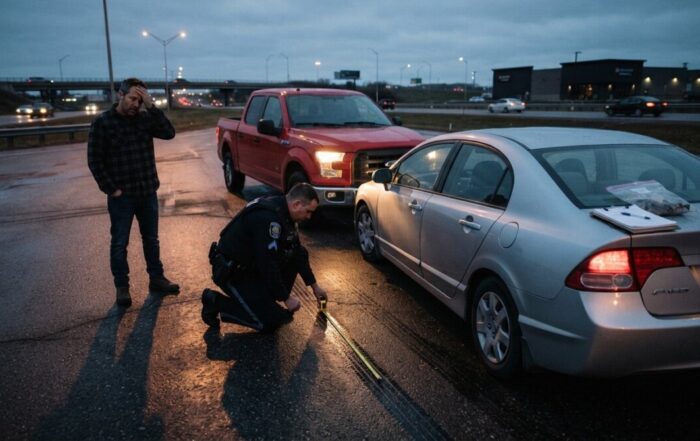
When liability is unclear, the insurance company will not pay until they are certain they do not have to cover the loss. This is especially common in car accidents where both drivers share fault. The adjuster may request accident reports, photos, and witness statements. They may even hire an accident reconstruction expert. All of this takes time. Meanwhile, your claim sits in a queue labeled “pending investigation.”
Even if you believe you are clearly not at fault, the other driver’s insurance may argue comparative fault. They might claim that you were speeding, distracted, or failed to yield. Once comparative fault is raised, your own insurer may hesitate. They do not want to pay out if there is a chance that the other insurer will refuse to reimburse them. This creates a standoff that can last months.
To break this deadlock, gather evidence immediately after an accident. Take photos of the scene, the vehicles, and any visible injuries. Collect contact information from witnesses. Request a copy of the police report as soon as it is available. The stronger your evidence, the harder it is for either insurer to argue fault. If the dispute continues, an attorney can negotiate on your behalf and, if necessary, file a lawsuit to force a resolution.
How an Attorney Can Break the Logjam
If you have been dealing with a delayed claim, you may wonder whether hiring a lawyer is worth it. The answer is often yes. An experienced attorney knows the hidden reasons insurance claims get delayed and can counter each one. They handle the paperwork, communicate with the adjuster, and hold the insurance company accountable. They also know when to escalate a claim to a supervisor or file a formal complaint with the state insurance department.
Attorneys also have access to resources that individuals do not. They can hire medical experts, accident reconstructionists, and other specialists to strengthen your case. They can also calculate the full value of your claim, including future medical costs and lost earning potential. This prevents the adjuster from lowballing you after a long delay. Perhaps most importantly, an attorney sends a signal that you are serious. Insurance companies know that represented claimants are less likely to accept a bad settlement.
If you are ready to take action, consider reaching out to a referral service like LawyerOffer. We can connect you with a qualified attorney who specializes in insurance claims and personal injury. Do not let a delay cost you your recovery. The sooner you bring in professional help, the sooner your claim can move forward.
Frequently Asked Questions
What should I do if my insurance claim is taking too long?
First, ask the adjuster for a specific reason and a written timeline. If they are vague, escalate to a supervisor. Document every communication. If the delay continues, consider hiring an attorney. You also have the right to file a complaint with your state’s insurance department.
Can an insurance company delay a claim indefinitely?
No. Most states have laws that require insurers to handle claims in a timely manner. These are often called unfair claims practices acts. If the delay is unreasonable, you may be able to sue for bad faith. An attorney can advise you on the specific laws in your state.
Why do adjusters ask for the same documents multiple times?
This is often a delay tactic. The adjuster may claim that the documents were lost or incomplete. To protect yourself, send all documents via certified mail or email with a read receipt. Keep copies of everything you submit.
Does hiring a lawyer speed up the process?
It can. An attorney knows how to cut through red tape and apply pressure. Insurers also tend to take represented claims more seriously. However, the timeline also depends on the complexity of your case and the cooperation of other parties.
What is bad faith insurance?
Bad faith occurs when an insurer unreasonably delays or denies a claim without a valid basis. If you can prove bad faith, you may be entitled to additional damages beyond the original claim amount. This is a complex legal area, so consult an attorney if you suspect bad faith.
Understanding the hidden reasons insurance claims get delayed is the first step toward getting the compensation you deserve. From policy language tricks and missing records to adjuster workload and subrogation, the obstacles are real but surmountable. Stay organized, be persistent, and do not hesitate to seek professional help. Your financial recovery depends on it.

About Thorne Bradley
Recent Posts

How No Fault Insurance Systems Work: Key Facts
Learn how no fault insurance systems work and get help with your claim. Call (833) 227-7919 for a free case review.
How Comparative Negligence Laws Differ by State
Understand how comparative negligence laws differ by state and protect your settlement. Call (833) 227-7919 for a free case review.

Why State Laws Differ in Accident Cases and What That Means for You
Understand how state laws differ in accident cases and protect your claim. Call (833) 227-7919 for a free attorney referral.