
When Damages Exceed Insurance Coverage: Your Options
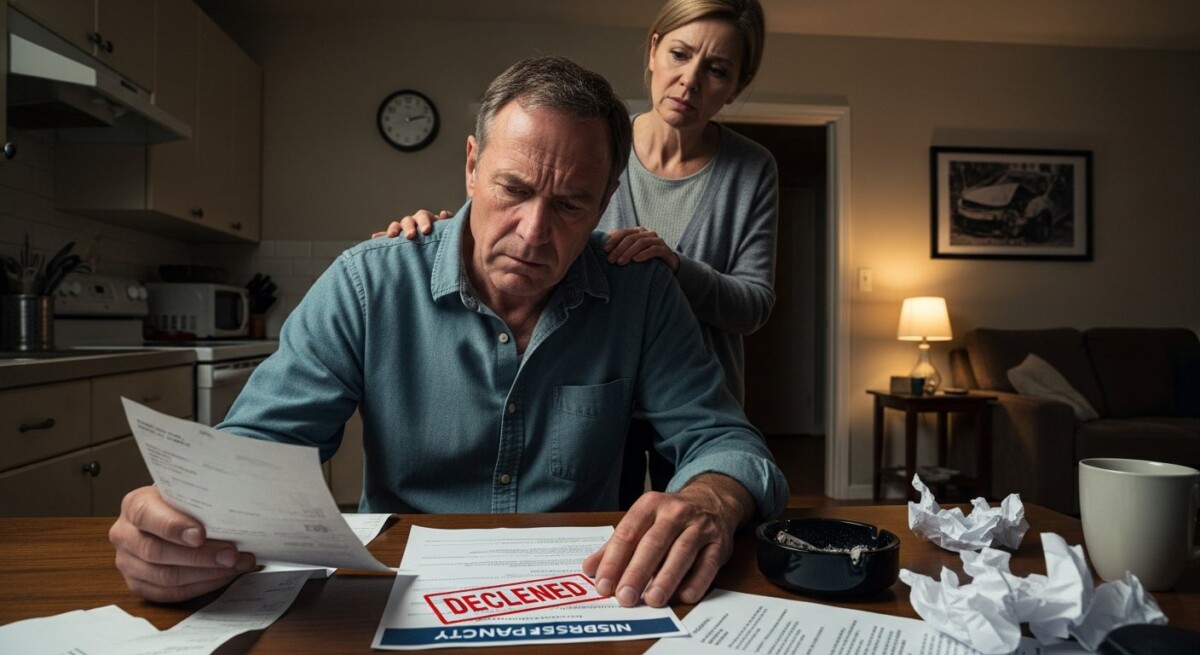
You pay your insurance premiums on time, you carry what you believe is adequate coverage, and you assume that if something goes wrong, your policy will protect you. Then an accident happens. The medical bills arrive. The repair estimates come in. And suddenly you realize the numbers do not add up. The total cost of the harm is far higher than the limit on your policy. This moment of realization can be frightening, but it does not mean you are out of options. Understanding what happens when damages exceed insurance coverage is the first step toward protecting your finances and your future.
When your losses outpace your policy limits, the difference does not simply disappear. The responsible party may still owe that gap, and collection efforts can target personal assets, wages, and property. However, the law provides certain safeguards, and strategic planning can reduce your exposure. This guide walks through the mechanics of policy limits, the legal rules that apply when damages exceed insurance coverage, and the concrete steps you can take to minimize financial harm.
Understanding Policy Limits and Your Exposure
Every insurance policy has a maximum payout. For auto insurance, this is typically expressed as a split limit such as 25/50/25, meaning $25,000 per person for bodily injury, $50,000 total per accident, and $25,000 for property damage. Homeowners policies have similar caps on liability coverage. When the total damages from an incident exceed these numbers, the insurance company pays only up to its limit. The remainder becomes a personal debt owed by the at-fault party.
This gap between the actual damages and the policy limit is often called an excess judgment or an underinsured loss. For example, if you cause an accident that results in $100,000 in medical bills and your bodily injury limit is $25,000, the injured party can pursue you personally for the remaining $75,000. In our guide on car accident without insurance: what happens next, we explain how uninsured situations create similar exposure. The key difference is that having some insurance limits your liability to the amount above your policy, whereas having no insurance leaves you exposed for the full amount from dollar one.
What Happens When Damages Exceed Insurance Coverage in Court
When a case goes to trial and the jury awards damages that exceed the defendant’s policy limits, the court will enter a judgment for the full amount. The insurance company pays its share up to the policy cap. The defendant then owes the remaining balance personally. This is where the concept of collectability becomes critical. A judgment is not the same as cash in hand. The injured party must still collect that money from the defendant’s personal assets.
Courts can authorize several collection methods. Wage garnishment allows a portion of the defendant’s paycheck to be redirected to the judgment creditor. Bank account levies permit the seizure of funds held in financial institutions. Property liens attach to real estate, preventing the sale or refinancing of a home until the debt is satisfied. Each state has specific exemption laws that protect certain assets from collection, such as a primary residence up to a certain value, retirement accounts, and personal belongings. Knowing these exemptions is vital when facing an excess judgment.
The Role of Bad Faith Claims Against Your Insurer
One important exception to personal liability arises when the insurance company acts in bad faith. If your insurer had an opportunity to settle the claim within policy limits but refused to do so, and a judgment later exceeds those limits, the insurer may be responsible for the entire amount. This is known as a bad faith failure to settle. Insurers have a duty to protect their policyholders from excess judgments when a reasonable settlement opportunity exists. If they breach that duty, they can be held liable for the full judgment, not just the policy limit.
Proving bad faith requires evidence that the insurer ignored a reasonable settlement demand, failed to communicate settlement offers, or prioritized its own financial interests over the policyholder’s exposure. If you believe your insurer mishandled a claim that led to an excess judgment, consult an attorney who specializes in insurance bad faith. The potential recovery can be substantial, and it shifts the financial burden back to the company that failed to protect you. For more on disputes with insurers, see our article on insurance refuses liability: what happens next.
Protecting Personal Assets After an Excess Judgment
If you are facing a judgment that exceeds your insurance coverage, asset protection becomes a priority. The timing of any asset transfers is critical. Moving assets after a judgment has been entered can be challenged as a fraudulent transfer, which a court can reverse. However, certain strategies implemented well before any incident can shield wealth from future creditors.
Common asset protection tools include:
- Homestead exemptions that protect equity in a primary residence up to state-specific limits
- Retirement accounts such as 401(k)s and IRAs, which are generally protected from creditors under federal and state law
- Life insurance policies and annuities with cash value, which may be exempt depending on state law
- Tenancy by the entirety ownership with a spouse, which protects assets from creditors of only one spouse
- Umbrella insurance policies that provide additional liability coverage beyond standard auto or homeowners limits
An umbrella policy is one of the most effective ways to prevent an excess judgment from ever occurring. These policies typically start at $1 million in coverage and apply after underlying insurance limits are exhausted. They are relatively inexpensive considering the protection they provide. If you have significant assets or a high-risk occupation, an umbrella policy should be part of your financial plan.
Negotiating a Settlement When Damages Exceed Limits
Not every case ends with a trial and a judgment. Many situations where damages exceed insurance coverage can be resolved through negotiation. The injured party often prefers a guaranteed payment now rather than the uncertainty of trying to collect from personal assets later. This creates leverage for the defendant to settle for less than the full excess amount.
A common approach is for the defendant to offer a lump sum payment in exchange for a release of the personal liability. For example, if the excess judgment is $75,000, the defendant might offer $20,000 from personal savings or a loan to settle the debt. The injured party accepts this because collecting the full $75,000 through wage garnishment could take years and may never be fully recovered if the defendant lacks sufficient income or assets. A structured settlement can also be used, where payments are made over time.
Working with an experienced attorney during these negotiations is essential. The attorney can evaluate the true collectability of the judgment and advise on a fair settlement range. In some cases, the defendant can also negotiate a payment plan directly with the judgment creditor, avoiding the need for court-enforced collection. For property damage specifically, our guide on when to hire a car accident lawyer for property damage claims provides additional context on how these negotiations work in practice.
Bankruptcy as a Last Resort
When the excess judgment is overwhelming and there is no realistic path to payment, bankruptcy may provide a fresh start. Chapter 7 bankruptcy can discharge most unsecured debts, including the portion of a judgment that exceeds insurance coverage. However, not all debts are dischargeable. Judgments arising from intentional harm, drunk driving, or other willful misconduct are typically not dischargeable. Negligence-based judgments, such as those from a standard car accident, generally are dischargeable.
Filing for bankruptcy triggers an automatic stay, which stops all collection efforts immediately. Wage garnishment ends, bank levies are halted, and creditors cannot contact you. The bankruptcy court then oversees the liquidation of non-exempt assets to pay creditors, and any remaining dischargeable debt is eliminated. This is a serious decision with long-term credit consequences, but it can be the right choice when the financial burden of an excess judgment becomes unbearable. Consulting with a bankruptcy attorney is important to understand which debts can be discharged and how your specific assets will be treated.
How to Prevent an Excess Judgment Before It Happens
Prevention is far easier than cure when it comes to excess judgments. The most straightforward strategy is to carry adequate insurance limits. While minimum state requirements may be tempting due to lower premiums, they leave you exposed. Consider increasing your liability limits to at least $100,000 per person and $300,000 per accident for bodily injury, and $100,000 for property damage. Adding an umbrella policy with $1 million or more in coverage provides an additional layer of protection.
Beyond insurance, safe driving habits and risk avoidance reduce the likelihood of causing a serious accident. Avoiding distracted driving, never driving under the influence, and maintaining your vehicle properly all lower the risk of liability. If you own a business, ensure you have appropriate commercial liability coverage. Homeowners should review their policy limits and consider adding a personal liability umbrella. Regularly reviewing your coverage with an insurance professional ensures your limits keep pace with inflation and changes in your net worth.
Frequently Asked Questions
Can I lose my house if damages exceed my insurance coverage?
Yes, if the judgment creditor places a lien on your home and you have sufficient equity above the homestead exemption amount, the court could order a sale to satisfy the debt. However, many states protect a significant portion of home equity from creditors. Consulting with a local attorney is the best way to understand your state’s specific homestead exemption.
Does my insurance company have to defend me even if damages exceed my policy limits?
Yes. Your insurer has a duty to defend you against claims covered by the policy, even if the potential damages far exceed your limits. This duty continues until the policy limits are exhausted through settlement or judgment. The insurer must also act in good faith when considering settlement offers that fall within policy limits.
What happens if the injured party wins a judgment but I have no assets?
If you have no significant assets and limited income, the judgment may be largely uncollectible. The creditor can renew the judgment periodically, but if you have no wages to garnish and no property to seize, the judgment may remain unpaid indefinitely. However, it will appear on your credit report and could affect your ability to obtain loans or employment.
Can I negotiate with the injured party directly after an excess judgment?
Yes. Direct negotiation is common and often successful. Many injured parties prefer a guaranteed payment now rather than a lengthy collection process. You can offer a lump sum or a payment plan in exchange for a full release of the personal liability. It is wise to have an attorney assist with these negotiations to protect your interests.
Does bankruptcy wipe out an excess judgment?
In many cases, yes. Chapter 7 bankruptcy can discharge negligence-based judgments that exceed insurance policy limits. However, judgments arising from intentional misconduct, DUI-related accidents, or fraud are generally not dischargeable. A bankruptcy attorney can evaluate your specific situation.
If you are dealing with disputed medical bills related to an accident, our resource on disputed medical bills: what happens when insurer says no offers practical guidance for managing those challenges.
Facing a situation where damages exceed your insurance coverage is stressful, but you have options. From negotiating settlements and leveraging asset protections to pursuing bad faith claims or considering bankruptcy, there are paths forward. The most important step is to act quickly and seek professional legal advice tailored to your state’s laws and your specific circumstances. An experienced attorney can help you navigate the complexities and protect what matters most.

About Nyelle Porter
Recent Posts
Building a Legal Strategy for Injury Claims That Wins
Learn how legal strategy is built for injury claims to maximize your recovery. Call (833) 227-7919 for a free consultation with a trusted attorney.

Attorney Client Privilege in Accident Cases: What to Know
Learn how attorney client privilege works in accident cases and protect your claim. Call (833) 227-7919 to find a qualified lawyer.

Documenting Settlement Negotiations: A Legal Guide
Discover how settlement negotiations are documented to protect your claim. Get expert legal help by calling (833) 227-7919 today.