
Insurance Refuses Liability: What Happens Next

When your insurance company refuses to accept liability after an accident, the financial and emotional fallout can feel overwhelming. Medical bills pile up, your car sits damaged in the driveway, and you keep hearing the same frustrating answer: “We are not accepting liability.” This situation is more common than most people realize. Insurance adjusters have strong financial incentives to deny claims or shift blame. Understanding exactly what happens when insurance refuses liability is the first step toward protecting your rights and getting the compensation you deserve. This guide walks you through the immediate consequences, the legal options available, and the practical steps you can take to fight back.
Why Insurers Refuse Liability
Insurance companies are businesses. Their primary goal is to protect their bottom line. Denying or disputing liability is one of the most effective ways to reduce payouts. Insurers may refuse liability for several reasons. They might argue that their policyholder was not at fault based on police reports, witness statements, or traffic laws. They could claim that the accident was unavoidable or that you, as the claimant, contributed significantly to the crash. In some cases, they simply delay hoping you will give up or accept a low settlement.
Another common reason is a coverage dispute. The insurer might argue that the policy had lapsed, that the driver was not listed on the policy, or that a specific exclusion applies. For example, if the driver was using the vehicle for rideshare services without proper coverage, the insurer may refuse liability entirely. When you understand these motivations, you can better prepare your response. Knowing what happens when insurance refuses liability helps you avoid common pitfalls and strengthens your position during negotiations.
Immediate Steps After a Liability Denial
Receiving a denial letter or a verbal refusal from an adjuster can be shocking. Do not panic. Your first action should be to request the denial in writing. Verbal statements are not binding. A written explanation from the insurer must state the specific reasons for denying liability. This document is critical for any future legal action or appeal. Keep copies of everything: the denial letter, your policy documents, photos of the accident, police reports, and any correspondence.
Next, review your own insurance policy carefully. You may have coverage that applies even when the other driver is at fault. For instance, uninsured motorist (UM) coverage can step in when the at-fault driver has no insurance or when their insurer denies liability. Underinsured motorist (UIM) coverage helps when the other party has insufficient limits. Many people overlook these protections. If you have UM or UIM coverage, file a claim under your own policy immediately. This can provide a quicker path to compensation while you pursue the other driver or their insurer separately.
It is also wise to preserve all evidence. If you have a dashcam recording, save it. Collect witness contact information and statements. Take photos of the scene, vehicle damage, and any visible injuries. The strength of your evidence directly impacts whether you can overturn a liability denial. If you are unsure about next steps, consider consulting a legal professional. Our guide on what happens after being at fault in a car accident provides additional context on how fault determinations affect your case.
Your Legal Options When Liability Is Denied
When an insurer refuses liability, you are not without recourse. Several legal pathways exist to challenge the denial and secure compensation for your losses. The best option depends on the facts of your case, the amount of damages, and the insurance company’s conduct.
File an Appeal or Complaint
Most states have a formal process for appealing an insurance denial. You can file a complaint with your state’s Department of Insurance. The department will review the insurer’s decision to ensure it complies with state laws and policy terms. While this does not guarantee a reversal, it puts regulatory pressure on the company. Additionally, many insurers have an internal appeals process. Submit a written appeal with new evidence, such as an independent accident reconstruction report or a sworn statement from a witness. This can sometimes force a reconsideration.
Negotiate With the Adjuster
Do not assume that a denial is final. Insurance adjusters often deny claims hoping you will walk away. A well-prepared demand letter with supporting documentation can reopen negotiations. Highlight the weaknesses in their liability analysis. For example, if they claim you ran a red light, provide traffic camera footage or a witness who saw the light was green. Be persistent but professional. A calm, evidence-based approach is more effective than angry threats.
File a Lawsuit Against the At-Fault Driver
If the insurer continues to refuse liability, your only option may be to sue the at-fault driver directly. In most states, you must prove that the driver was negligent and that their negligence caused your injuries and damages. A successful lawsuit results in a judgment against the driver. However, collecting that judgment can be difficult if the driver has few assets. This is why having uninsured motorist coverage is so important. If you file a lawsuit, the insurer will typically provide a defense attorney for their policyholder, but they may still refuse to pay the judgment. In that case, you would need to pursue collection efforts.
Use Your Own Insurance Coverage
As mentioned earlier, your own policy may be your best resource. Uninsured motorist coverage is specifically designed for situations where the at-fault party has no insurance or where liability is denied. Filing a UM claim with your own insurer can be faster and less adversarial than battling the other company. Your insurer will investigate and, if they agree you are entitled to damages, pay you directly. They may then seek reimbursement from the other driver or their insurer through a process called subrogation. For more details on handling situations where the other driver lacks coverage, read our article on what happens in an uninsured driver accident.
How Liability Denials Affect Your Claim Timeline
One of the most frustrating aspects of a liability refusal is the delay it creates. Without an admission of liability, your claim cannot move forward to settlement negotiations. Medical treatment may be interrupted because you cannot pay for care. Repair shops may refuse to release your vehicle. The entire process can stall for months or even years if litigation becomes necessary.
Understanding what happens when insurance refuses liability includes preparing for these delays. You may need to arrange alternative transportation, use savings to cover medical expenses, or borrow money to pay urgent bills. Keep detailed records of all out-of-pocket costs. These expenses are recoverable as part of your damages if you eventually win your case. An experienced attorney can help you navigate these financial pressures and advise on how to protect your credit and assets while you wait.
Key Strategies to Strengthen Your Position
To maximize your chances of overturning a liability denial or recovering compensation through other means, consider these essential strategies:
- Document everything immediately. Write down your recollection of the accident as soon as possible. Memories fade. Include details like weather, road conditions, traffic signals, and the actions of both drivers.
- Seek medical attention promptly. Even if you feel fine, some injuries take days to appear. A medical record linking your injuries to the accident is powerful evidence.
- Do not give a recorded statement without legal advice. Adjusters are trained to ask questions that can be used to minimize your claim or shift blame. Politely decline until you speak with an attorney.
- Hire an attorney early. A lawyer can handle communication with the insurer, file necessary appeals, and prepare a lawsuit if needed. Most personal injury attorneys offer free consultations and work on a contingency fee basis, meaning they only get paid if you win.
Each of these steps reinforces your credibility and makes it harder for the insurer to maintain their denial. Insurers are more likely to settle when they see a well-documented case represented by legal counsel. Our resource on what happens after a car accident without insurance offers additional insights into managing coverage gaps.
The Role of Comparative Fault
Even if the other driver’s insurer refuses liability, the concept of comparative fault may still allow you to recover partial compensation. Most states follow either pure comparative fault or modified comparative fault rules. Under pure comparative fault, you can recover damages even if you are 99% at fault, though your award is reduced by your percentage of fault. Under modified comparative fault, you can only recover if you are 50% or less at fault (or 51% in some states). If the insurer argues that you were partially responsible, your recovery may be reduced but not eliminated entirely.
For example, if the other driver ran a stop sign but you were speeding, the insurer might argue that you contributed to the accident. If a jury finds you 30% at fault and your total damages are $100,000, you would receive $70,000. This is why you should never accept a liability denial at face value. Even partial liability on the other driver’s part can result in a significant settlement. To understand how partial fault impacts your claim, see our article on what to know when claiming insurance while partially at fault.
Frequently Asked Questions
Can insurance refuse liability without evidence?
Yes, an insurer can refuse liability without strong evidence, but they risk violating their duty of good faith. If they deny a claim based on speculation or incomplete investigation, you may have grounds for a bad faith lawsuit. Always request a written explanation and challenge unsupported denials.
How long does an insurer have to respond to a liability claim?
Timelines vary by state. Most states require insurers to acknowledge a claim within 10-30 days and make a decision within 30-60 days after receiving all necessary information. Check your state’s insurance regulations for specific deadlines.
Will my insurance rates go up if I file a claim after a liability denial?
Filing a claim under your own policy, such as uninsured motorist coverage, may affect your rates. However, if you are not at fault, many states prohibit insurers from raising premiums for claims that are not your fault. Review your policy or ask your agent about rate protection.
What if the at-fault driver has no assets?
If you win a lawsuit but the driver cannot pay, you may have difficulty collecting. This is why uninsured motorist coverage is crucial. Your own insurer pays your damages up to your policy limits, and they pursue the driver for reimbursement.
Should I accept a settlement offer after a denial is reversed?
Not without careful review. Insurers often offer low amounts after reversing a denial, hoping you will accept quickly. Consult an attorney to evaluate whether the offer covers all your current and future expenses, including medical costs, lost wages, and pain and suffering.
Facing an insurance liability refusal is stressful, but you have more power than you might think. By taking immediate action, preserving evidence, exploring your own policy coverage, and seeking legal guidance, you can overcome the denial and secure the compensation you need. If you are dealing with a liability dispute or simply want to understand your options better, contact LawyerOffer for a free consultation. Our team can connect you with experienced attorneys who specialize in insurance claim disputes and personal injury cases. Call us at (833) 227-7919 or visit our website to get started. Do not let an insurance company’s refusal derail your recovery. Take control of your case today.

About Elias Brookstone
Recent Posts
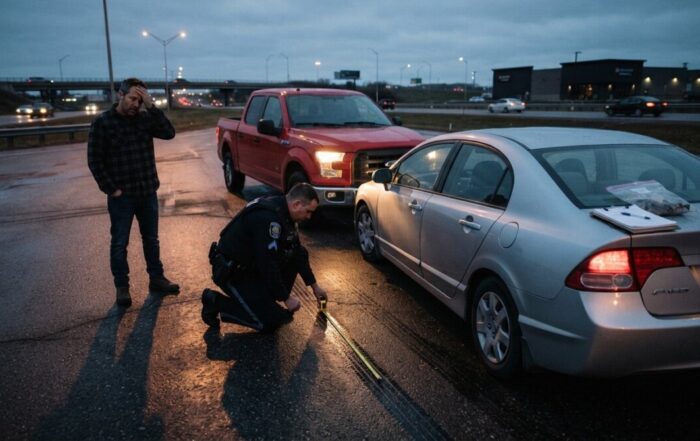
How Comparative Negligence Laws Differ by State
Understand how comparative negligence laws differ by state and protect your settlement. Call (833) 227-7919 for a free case review.
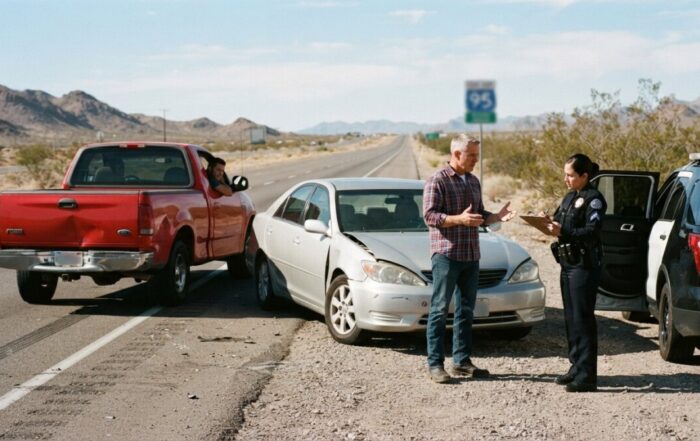
Why State Laws Differ in Accident Cases and What That Means for You
Understand how state laws differ in accident cases and protect your claim. Call (833) 227-7919 for a free attorney referral.
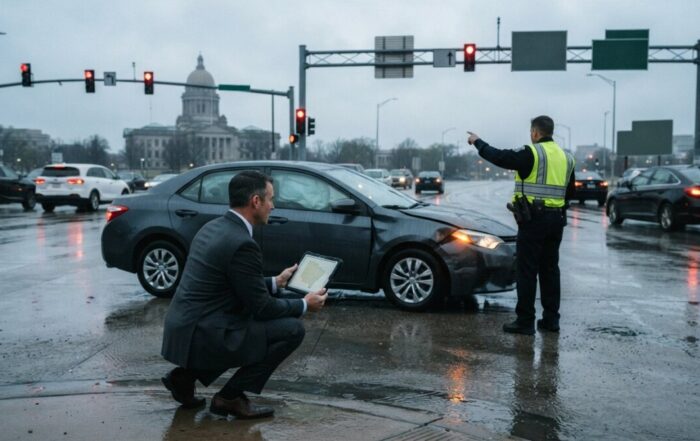
How Jurisdiction Affects Accident Claim Outcomes
Understand how jurisdiction affects accident claim outcomes and maximize your recovery. Call (833) 227-7919 for a free attorney referral.