
Who Pays After a Rideshare Crash? Liability Explained
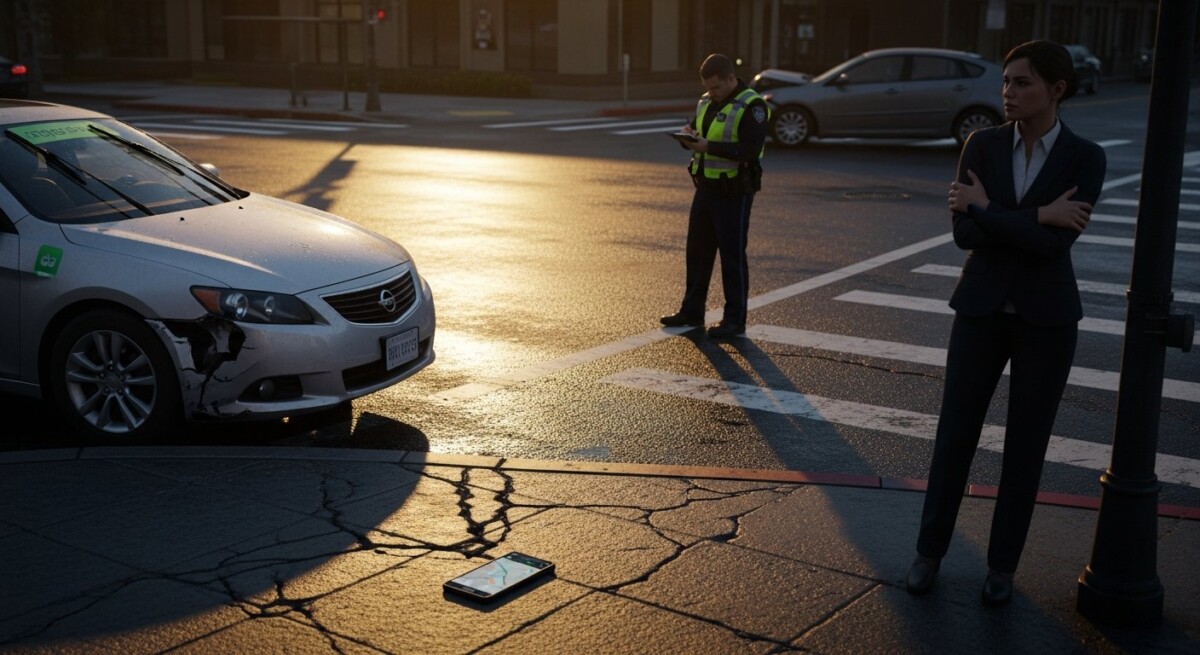
Rideshare services like Uber and Lyft have transformed how we travel, but they also create a complex web of liability when accidents happen. Unlike a typical car crash where you deal with two drivers and their insurers, a rideshare accident can involve the driver, the rideshare company, and multiple insurance policies depending on the phase of the trip. Understanding how rideshare accident liability is assigned is not just legal trivia; it directly affects who pays your medical bills, lost wages, and pain and suffering. Without this knowledge, you might accept a quick settlement that fails to cover your long-term costs.
If you are injured in a rideshare vehicle, the first question is usually: whose insurance applies? The answer depends on whether the driver had the app on, whether they were en route to pick up a passenger, or whether a passenger was in the car. Each stage triggers different coverage limits and legal obligations. This article breaks down the process, so you can protect your rights and make informed decisions about your claim.
The Three Phases of a Rideshare Trip
Rideshare companies have designed their insurance coverage around the driver’s activity status. Insurers and courts use this phase system to determine which policy is primary. The phases are generally defined as follows:
- Phase 1 (App On, No Passenger): The driver has the app open and is waiting for a ride request. Coverage is typically limited to liability for injuries to others, with lower limits.
- Phase 2 (En Route to Pickup): The driver has accepted a ride request and is traveling to the passenger’s location. Coverage increases significantly, often up to $1 million for liability.
- Phase 3 (Passenger Onboard): The passenger is in the vehicle, and the trip is active. This phase carries the highest coverage, including uninsured/underinsured motorist coverage.
Most rideshare companies, including Uber and Lyft, provide contingent liability coverage that kicks in after the driver’s personal auto insurance is exhausted. However, if the driver’s personal policy excludes rideshare activity (which many do), the company’s coverage becomes primary. This is why determining the exact phase is critical to your claim.
For example, if a driver is waiting for a request (Phase 1) and rear-ends your car, the rideshare company’s coverage may only provide $50,000 per person and $100,000 per accident. But if the driver is actively transporting a passenger (Phase 3), the same company’s policy may offer up to $1 million in liability coverage. The difference is staggering, and it underscores why professional legal guidance is essential in these cases.
Who Is Legally Liable: The Driver or the Company?
Liability in a rideshare accident is not always a simple either/or. In many cases, both the driver and the rideshare company can be held responsible, but the legal theories differ. The driver is liable for negligent driving, just like any motorist. The company, however, may be liable under the legal doctrine of vicarious liability, which holds employers responsible for the actions of their employees acting within the scope of their duties.
Rideshare companies have historically argued that their drivers are independent contractors, not employees, to avoid this liability. However, courts in several states have ruled that drivers can be considered employees for certain purposes, especially during Phases 2 and 3. If you are injured, your attorney will investigate whether the company exercised enough control over the driver to justify holding it liable. In practice, even when the company avoids direct liability, its insurance policy still covers the accident, so the practical effect is similar.
Another layer is the rideshare company’s duty to ensure driver safety. If the company failed to conduct proper background checks or allowed a driver with a known unsafe record to operate, it could be directly negligent. This is a growing area of litigation, and it can significantly increase the value of your claim.
What If the Rideshare Driver is at Fault?
When the rideshare driver is clearly at fault, your claim proceeds against the driver and the applicable insurance policies. The process involves several steps, and each one can be complicated without legal help.
Step 1: Identify the Active Policy
Your attorney will request the rideshare company’s insurance certificate and any applicable coverage documents. The company must disclose the policy limits that apply to the specific phase of the trip. Sometimes, the driver’s personal policy may also provide coverage, especially if they failed to disclose their rideshare activity to their insurer.
Step 2: File a Claim With the Correct Insurer
Once the policy is identified, your lawyer will file a claim with that insurer. You should not accept any settlement offer without a full understanding of your damages, including future medical expenses and lost earning capacity. Insurers often offer lowball amounts early in the process.
Step 3: Negotiate or Litigate
If the insurer refuses to offer a fair settlement, your attorney may file a lawsuit against the driver and the rideshare company. In court, the evidence will include the driver’s employment status, the company’s policies, and the specifics of the accident. Having an experienced attorney is vital because rideshare companies have aggressive legal teams.
Remember, liability can also be shared. If the rideshare driver was partially at fault and you were partially at fault, your recovery may be reduced by your percentage of fault. A lawyer can help minimize your share of blame by presenting evidence effectively.
What If the Other Driver Is at Fault?
If you are a passenger in a rideshare vehicle and another driver causes the crash, you have two potential claims: one against the at-fault driver and one against the rideshare driver’s insurer. The rideshare company’s coverage includes uninsured/underinsured motorist coverage (UM/UIM) in many states, which protects you if the other driver has no insurance or too little coverage.
This is a common scenario, and it can be confusing. For instance, if the at-fault driver has only the state minimum of $25,000, but your medical bills exceed $100,000, you may need to tap into the rideshare company’s UM/UIM coverage. That coverage is typically available in Phase 3 (passenger onboard) but may also apply in Phase 2. Your attorney can navigate these layers to maximize your recovery.
Also, if you are the driver of another vehicle struck by a rideshare driver, the same phase analysis applies. The key is to gather evidence proving the rideshare driver’s app was on and what phase they were in. This may require obtaining a trip log from the company, which your attorney can subpoena if necessary.
How Evidence Affects Liability
Evidence is the backbone of any liability determination. In rideshare accidents, certain types of evidence become especially important:
- App data: The rideshare company’s records show the driver’s status at the time of the crash.
- Dashcam footage: If the vehicle had a dashcam, it can show the events leading up to the collision.
- Phone records: To prove the driver was using the app or texting, which could indicate distraction.
- Police report: The officer’s narrative often includes statements from the driver and witnesses.
- Witness testimony: Independent witnesses can corroborate your version of events.
The role of technology in proving fault is growing. For example, black box data from the vehicle can reveal speed, braking patterns, and seatbelt usage. This data can be crucial in showing that the rideshare driver was speeding or failed to brake. In cases without witnesses, other evidence like skid marks and vehicle damage can help reconstruct the crash.
Your attorney will know what evidence to request and how to preserve it. For instance, the rideshare company may delete app data after a certain period, so it is critical to send a preservation letter immediately.
The Role of Insurance Companies
Insurance companies are profit-driven entities, and they will often try to minimize payouts. In rideshare accidents, there may be multiple insurers pointing fingers at each other. The driver’s personal insurer might argue that the rideshare company’s policy should pay first, while the company’s insurer might claim the driver was off-duty. This can delay your claim and frustrate you.
An experienced attorney can handle these disputes. They know how to pressure insurers to act in good faith and can file a lawsuit if necessary. In some cases, the threat of litigation is enough to prompt a fair settlement. Your lawyer will also ensure that any settlement you accept covers all your damages, including non-economic losses like pain and suffering.
Why You Need a Lawyer
Rideshare accidents are not like typical car crashes. The involvement of large corporations and complex insurance schemes makes them uniquely challenging. You might think you can handle it alone, but the reality is that without legal representation, you are at a disadvantage. A lawyer can:
- Investigate the accident thoroughly and gather all relevant evidence.
- Determine which insurance policies apply and their limits.
- Negotiate with multiple insurers on your behalf.
- File a lawsuit if a fair settlement is not offered.
- Advise you on whether to accept a settlement or go to trial.
If you are dealing with a rideshare accident, the sooner you seek legal help, the better. Delays can result in lost evidence and missed deadlines. Many attorneys offer free consultations, so you can discuss your case without financial risk. For example, you can read about how fatigue can affect liability to understand another factor that might be present in your accident.
At LawyerOffer, our mission is to connect you with skilled attorneys who specialize in rideshare accidents. We understand the intricacies of these claims and can help you navigate the process. Our service is designed to give you access to legal expertise without the hassle of searching on your own.
Frequently Asked Questions
What if the rideshare driver’s personal insurance denies coverage?
Many personal auto policies exclude coverage for commercial activities like ridesharing. If the driver’s policy denies coverage, the rideshare company’s contingent liability policy will step in, provided the driver was using the app at the time. The coverage limits depend on the phase of the trip.
Can I sue the rideshare company directly?
Yes, in some circumstances. If the company was negligent in hiring, retaining, or supervising the driver, you may have a direct claim. Additionally, if a court finds that the driver was an employee, the company can be held vicariously liable for the driver’s negligence.
How long do I have to file a claim?
The statute of limitations for personal injury claims varies by state, typically ranging from one to three years. It is crucial to act quickly. An attorney can ensure all deadlines are met.
Will I have to go to court?
Most personal injury cases settle out of court. However, if the insurance company refuses to offer a fair settlement, your lawyer may recommend filing a lawsuit. Your attorney will prepare you for what to expect if your case goes to trial.
What if I was a pedestrian or cyclist hit by a rideshare vehicle?
You have the same rights as any other accident victim. The phase of the trip and the driver’s fault will determine which insurance policy applies. The rideshare company’s liability coverage should cover your injuries.
Moving Forward With Your Claim
Understanding how rideshare accident liability is assigned is the first step toward securing the compensation you deserve. The process involves multiple insurance policies, legal doctrines, and evidence challenges, but you do not have to face it alone. An experienced attorney can level the playing field and fight for your rights.
If you or a loved one has been injured in a rideshare accident, take action today. Contact LawyerOffer to get matched with a qualified attorney who can evaluate your case and guide you through the legal process. Remember, time is of the essence, and the sooner you act, the better your chances of a favorable outcome.

About Soraya Whitcombe
Recent Posts
How Jurisdiction Affects Accident Claim Outcomes
Understand how jurisdiction affects accident claim outcomes and maximize your recovery. Call (833) 227-7919 for a free attorney referral.

Why Legal Deadlines Can Make or Break Your Accident Case
Missing a filing deadline can end your accident case instantly. Get legal help today at (833) 227-7919.

How Statute of Limitations Affects Injury Claims: Key Deadlines
Learn how statute of limitations affects injury claims and why deadlines matter. Call (833) 227-7919 for a free case review to protect your rights.