
Hit and Run Accident Claim: What Are My Options?
Facing a hit and run? Know your options and protect your recovery. Call (833)-632-1198 for a free case review and legal guidance.

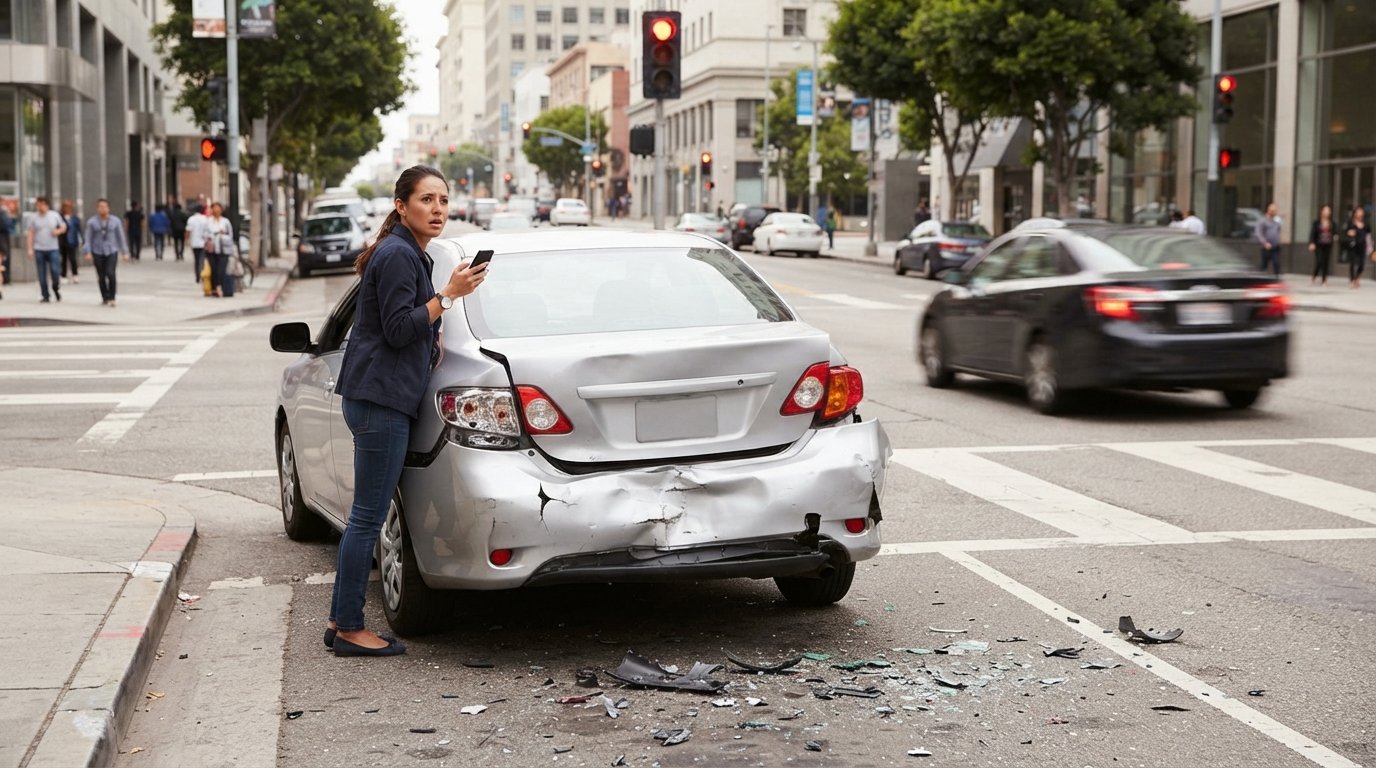
You are sitting at a red light when a car slams into your rear bumper and speeds off before you can even read the license plate. Your heart races, your car is damaged, and you are left wondering who will pay for the repairs and your medical bills. A hit and run accident claim can feel overwhelming because the obvious path, filing against the other driver's insurance, is blocked when that driver is unknown. The good news is that you still have options, and understanding them before you speak to any insurer can mean the difference between a full recovery and a financial setback. This guide walks you through the claims process, from uninsured motorist coverage to evidence gathering, so you can act quickly and protect your rights.
Your Primary Path: Uninsured Motorist Coverage
When the at-fault driver flees, your own auto insurance policy often becomes the most important asset you have. Uninsured motorist (UM) coverage is designed exactly for this scenario: it steps in when the responsible party cannot be identified or has no insurance. Many states require insurers to offer UM coverage, and some include underinsured motorist (UIM) coverage as well. If you have UM coverage, you can file a claim with your own insurer as if they were the at-fault driver's insurer, up to your policy limits.
However, UM coverage is not automatic in every state. Some states require you to reject it in writing, while others do not mandate it at all. Check your policy declarations page or call your agent to confirm whether you have UM or UIM coverage and what limits apply. If you do not have it, you may still have options, but they become more limited. For a broader look at how accident claims are evolving, including insurance regulations that may affect your recovery, see our guide on how modern accident claims differ in 2026.
Filing a UM claim does not mean your insurer will simply hand over a check. You will need to provide evidence that the hit and run occurred, that you were not at fault, and that your damages are reasonable and necessary. The insurer may investigate, request a recorded statement, and even dispute the extent of your injuries. That is why gathering evidence at the scene is critical, even when the other driver is gone.
Reporting Requirements and the Value of a Police Report
Leaving the scene of an accident is a crime in every state, but that does not mean the police will automatically find the driver. What a police report does do is create an official record of the incident, which is often required by insurers before they will process a UM claim. Most states require you to report a hit and run to law enforcement within a certain timeframe, sometimes as short as 24 hours. Even if you are not sure of the exact deadline, report it as soon as possible.
When you call the police, provide as much detail as you can: the time, location, direction the other vehicle fled, and any description of the car or driver. If an officer responds, ask for the report number and a copy of the report. Some insurers will accept a self-reported incident if police do not respond, but a formal report carries more weight. Keep in mind that a police report is not conclusive proof of fault, but it is strong evidence that you acted responsibly and that the other driver committed a crime by fleeing.
After you file the report, follow up with the police department to ensure the report is ready and accurate. If the report contains errors, such as the wrong date or location, ask for a correction. Insurers rely on these details to cross-check your claim, and inconsistencies can slow down or even derail your recovery.
Evidence to Gather at the Scene and Beyond
Even though the other driver is gone, the scene can still yield valuable evidence. If it is safe to do so, take photos and videos of your vehicle damage, the surrounding area, and any debris left behind. Look for paint transfers, broken parts, or anything that might have fallen from the other car. These items can help identify the make, model, or color of the fleeing vehicle, and they give your insurer something concrete to work with.
Witnesses are gold in hit and run cases. If anyone stopped to help or saw the accident, ask for their name, phone number, and a brief statement. They may have noticed a partial plate, a distinctive bumper sticker, or the driver's appearance. Even a partial description can assist the police and your insurer. Also, check for surveillance cameras on nearby buildings, traffic lights, or dashcams from other vehicles. Business owners and homeowners are often willing to share footage if you ask politely and quickly, before the footage is overwritten.
Here is a quick checklist of evidence to collect after a hit and run:
- Photos of your vehicle damage from multiple angles, including close-ups of paint transfer or foreign parts.
- Contact information for any witnesses, along with a written or recorded summary of what they saw.
- Surveillance footage requests from nearby businesses or traffic cameras.
- Your own dashcam footage, if available, and any photos of the scene before vehicles are moved.
- A copy of the police report and the report number.
Gather this evidence as soon as possible. Memories fade, cameras overwrite, and debris gets swept away. The stronger your evidence, the smoother your hit and run accident claim will be, and the more likely your insurer will accept your UM claim without a lengthy dispute.
How Insurers Investigate Hit and Run Claims
Your insurer will assign an adjuster to investigate your claim, and that investigation can take several forms. The adjuster will review your police report, photos, witness statements, and any surveillance footage you provide. They may also request a recorded statement from you, inspect your vehicle, and obtain your medical records if you are claiming injuries. Some insurers use special investigation units (SIUs) for claims that appear suspicious, but a hit and run with a police report and consistent evidence is usually treated as a standard UM claim.
One thing to watch for is a request for a recorded statement. You are generally required to cooperate with your insurer, but you are not required to give a recorded statement without preparation. The adjuster may ask leading questions designed to minimize your injuries or shift blame. You can politely ask to provide a written statement instead, or you can consult an attorney before giving a recorded statement. If you are unsure, a free case review with a legal professional can help you understand your obligations and protect your interests.
Insurers also verify that you did not contribute to the accident. For example, if you were rear-ended, fault is usually clear, but if the hit and run occurred during a lane change or intersection, the insurer may argue you were partially at fault. In states that follow comparative fault rules, your recovery could be reduced by your percentage of fault, so presenting clear evidence of the other driver's actions is important. For complex liability questions, having an attorney review your claim can be beneficial, and you can find resources on legal malpractice and attorney disputes at AttorneyLawsuit if you ever need to hold a lawyer accountable.
Deadlines and Notice Requirements in UM Claims
Every state has a statute of limitations for personal injury and property damage claims, and that deadline applies to hit and run claims as well. In many states, you have two to three years from the date of the accident to file a lawsuit, but some states have shorter deadlines, especially for government entities. Missing the deadline can bar your claim entirely, so it is essential to know the deadline in your state and act well before it.
In addition to the statute of limitations, your insurance policy likely contains notice requirements. You must notify your insurer of the accident promptly, often within a specified number of days. Some policies require immediate notice, while others allow 30 days or more. Failure to provide timely notice can give your insurer grounds to deny coverage, even if the claim is otherwise valid. Read your policy or call your agent to confirm the notice deadline, and send written notice via email or certified mail so you have proof.
UM claims also often require you to cooperate with the investigation and submit to an examination under oath if requested. These requirements are usually listed in the policy, and ignoring them can jeopardize your claim. If you are uncertain about any deadline or requirement, do not guess. A brief consultation with an attorney can clarify your obligations and help you avoid costly mistakes.
What If You Do Not Have Uninsured Motorist Coverage?
If you do not have UM coverage, your options are narrower but not nonexistent. You can still report the accident to the police and hope the driver is found. If the driver is later identified, you can file a claim against their insurance or sue them personally. However, if the driver is never found, you may have to rely on your own collision coverage (if you have it) to repair your vehicle, and you may be responsible for your medical bills unless you have health insurance or medical payments coverage.
In some states, an uninsured motorist fund or crime victims compensation program may provide limited benefits for hit and run victims, but these programs often have strict eligibility requirements and low payout caps. They are not a substitute for UM coverage, but they can help with immediate expenses. Research your state's victim compensation program to see if you qualify.
Another option is to pursue a claim against a third party who may share responsibility for the accident. For example, if a defective traffic signal contributed to the crash, or if a business negligently allowed a hazardous condition, you might have a claim against that party. These cases are complex and usually require an attorney's investigation, but they can provide an alternative path to recovery when the hit and run driver is never found.
Steps to Take Immediately After a Hit and Run
The actions you take in the first hours and days after a hit and run can significantly affect your claim. Here is a step-by-step framework to follow:
- Ensure safety and call 911. Move to a safe location if possible, check for injuries, and call the police. Report the hit and run and request medical assistance if needed.
- Document the scene. Take photos and videos of damage, debris, and the surrounding area. Collect witness contact information and ask about surveillance cameras.
- Notify your insurer. Call your insurance company as soon as practicable to report the accident and open a claim. Ask about UM coverage and the next steps.
- Seek medical attention. Even if you feel fine, some injuries, like whiplash or concussions, may not appear immediately. A medical record linking your injuries to the accident is critical for a UM claim.
- Keep records. Save all receipts, medical bills, repair estimates, and correspondence with insurers. A claim diary can help you track deadlines and conversations.
Following these steps demonstrates that you acted responsibly and helps build a strong evidentiary record. If you are unsure about any step, consider requesting a free case evaluation from a legal professional who can guide you through the process without any upfront cost.
When to Involve an Attorney
Not every hit and run claim requires an attorney, but certain situations benefit from legal representation. If your injuries are serious, if your insurer disputes liability or delays payment, or if the at-fault driver is later identified and has inadequate insurance, an attorney can level the playing field. Attorneys understand how insurers evaluate claims and can negotiate for a higher settlement, often covering their fees from the recovery itself.
If you are considering legal help, look for an attorney who handles uninsured motorist claims and has experience with hit and run cases in your state. Many offer free consultations, so you can discuss your options without obligation. Keep in mind that LawyerOffer is not a law firm and does not provide legal advice, but it can connect you with qualified attorneys who do. You can also research your rights and learn about attorney accountability through independent resources.
A hit and run accident claim is challenging, but you are not without recourse. By acting quickly, documenting everything, and understanding your insurance coverage, you can pursue the compensation you deserve. Whether you handle the claim yourself or enlist professional help, the key is to stay informed and proactive.